
Escalator installation and maintenance are essential for safe, efficient movement in commercial buildings, shopping centers, and public spaces. A properly planned escalator system improves passenger flow, while regular service helps reduce breakdowns, extend equipment life, and maintain long-term reliability. For project owners comparing suppliers through resources like Conwize’s lifts and elevators directory or Elevator Source, it is important to choose a provider that understands both installation quality and ongoing support.
A professional service provider such as Morris Elevators offers solutions that include travelators, escalators, and moving walks, as well as dedicated escalator options for different building types. More details about the company and its capabilities can also be found on the about page.
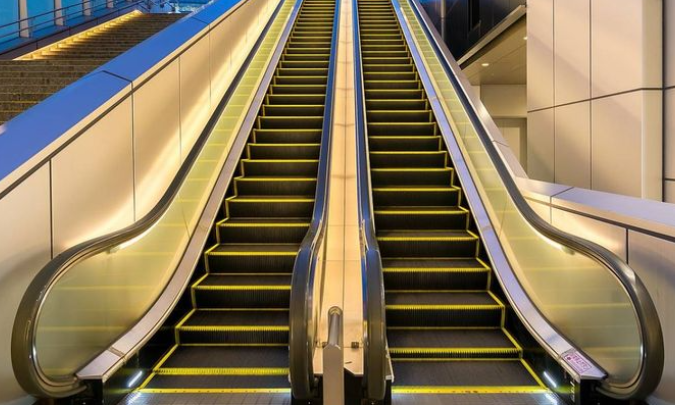
Why Escalator Installation Matters
Proper escalator installation is essential for safety, performance, and long-term reliability. Every component must be aligned correctly, fixed securely, and tested thoroughly before the unit is commissioned.
A professional installation also ensures the escalator meets building requirements, traffic expectations, and safety standards. When installation is handled correctly from the beginning, the escalator performs better and requires fewer repairs over time. This matters not only for malls and offices, but also for mixed-use developments, hotels, and residential projects where smooth people movement is a daily requirement.
Escalator Installation Process
Escalator installation is a technical process that must be completed by trained specialists. It usually includes planning, site preparation, delivery of components, assembly, alignment, electrical connection, testing, and final commissioning.
Typical installation steps include:
-
Site inspection and measurement.
-
Preparation of the escalator pit and structural supports.
-
Positioning of the truss and main frame.
-
Installation of steps, handrails, chains, and drive system.
-
Electrical wiring and control system setup.
-
Safety testing and final inspection.
Each step must be completed with precision to ensure stable operation and compliance with safety requirements. In larger circulation projects, such as airports or malls, escalators and moving walks may be used together to improve passenger movement across long distances.
Escalator Maintenance Services
Regular escalator maintenance is important for preventing sudden failures and keeping the system running efficiently. Maintenance helps identify worn parts, unusual noise, vibration, alignment issues, and lubrication problems before they become major faults.
Escalator cleaning is also an important part of ongoing care. Dust, debris, and grease buildup can affect performance and safety if they are not removed regularly.
Common maintenance tasks include:
-
Inspecting the drive system and motor.
-
Checking step chains, handrails, and comb plates.
-
Cleaning debris from the pit and moving parts.
-
Lubricating components where required.
-
Testing emergency stop functions and safety devices.
-
Monitoring noise, vibration, and running performance.
Routine maintenance also supports passenger safety and helps building owners manage operating costs more effectively.
Importance of Preventive Maintenance
Preventive maintenance is the best way to extend the service life of an escalator. Instead of waiting for a breakdown, technicians inspect the unit regularly and correct small issues early.
This approach reduces downtime, improves reliability, and lowers the risk of expensive emergency repairs. It also helps ensure the escalator remains safe and comfortable for daily use in malls, hotels, airports, offices, and commercial centers.
Common Escalator Problems
Over time, escalators may experience issues caused by wear, heavy usage, or poor maintenance. Some common problems include:
-
Unusual noise or vibration.
-
Worn step chains or handrails.
-
Comb plate damage.
-
Motor or drive system faults.
-
Poor step alignment.
-
Dirt buildup in the pit or machinery area.
These issues should be addressed quickly by qualified technicians to avoid further damage and safety risks.
Safety in Escalator Maintenance
Safety is one of the most important parts of escalator maintenance. Before any work begins, the escalator must be switched off and secured properly to prevent accidental movement.
Technicians should follow strict safety procedures, use proper tools, and inspect all critical systems before returning the escalator to service. Safe maintenance practices protect both users and maintenance personnel.
Why Choose Professional Service
Professional escalator installation and maintenance services help ensure better performance, lower downtime, and improved safety. Trained engineers understand how to install, inspect, and service escalators according to manufacturer standards and site conditions.
For building owners, working with an experienced service provider also means better long-term support, faster troubleshooting, and more reliable operation. This is especially important in projects that use specialized circulation systems similar to the Central–Mid-Levels escalator concept, or in buildings where mid-level escalator solutions are required for passenger flow.
Related Project Types
Escalators are often used in commercial and public developments where people need smooth movement between levels. They may also be considered in projects involving central mid levels, central mid level escalator layouts, and other mid-level circulation solutions.
In some projects, buyers may compare escalators with travelators or moving walks depending on the building layout and passenger movement needs. The right choice depends on traffic volume, space, and the overall design of the building.
Linked References
For further reading and supplier comparison, you can reference:
Escalator installation and maintenance are essential for any building that depends on smooth vertical transportation. A properly installed escalator, combined with regular preventive maintenance and escalator cleaning, delivers safer operation, better efficiency, and longer equipment life.