
The Benefits of Upgrading an Aging Elevator System
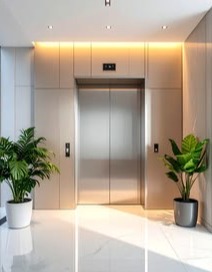
The Benefits of Upgrading an Aging Elevator System
Elevators are among the most heavily used systems in residential, commercial, and institutional buildings. They operate daily to transport residents, employees, visitors, and goods safely and efficiently. However, like any mechanical system, elevators age over time. Components wear out, technology becomes outdated, and performance gradually declines.
Many building owners continue operating aging elevator systems without realizing the long-term costs and risks associated with outdated equipment. Frequent breakdowns, higher maintenance expenses, safety concerns, and poor passenger experience are often signs that an elevator modernization or upgrade is necessary.
This article explores the key benefits of upgrading an aging elevator system and why modernization can be a valuable investment for building owners.
1. Improved Safety and Compliance
Safety is the most important reason to upgrade an aging elevator system. Older elevators may lack modern safety features that are now considered standard in the industry.
An elevator upgrade can include:
-
Advanced door protection systems
-
Emergency communication devices
-
Improved braking systems
-
Fire and emergency operation enhancements
-
Updated control and monitoring systems
Modernization also helps ensure compliance with current safety standards and regulations, reducing liability risks for building owners and managers.
2. Increased Reliability
One of the most common issues with older elevators is frequent breakdowns. Aging components become less reliable, and replacement parts may become difficult or expensive to obtain.
Upgrading key components such as:
-
Controllers
-
Door operators
-
Motors
-
Drives
-
Electrical systems
can significantly improve elevator reliability and reduce unexpected downtime.
Reliable elevator performance is especially critical in hospitals, hotels, office buildings, and residential towers where elevator disruptions can impact daily operations and user satisfaction.
3. Lower Maintenance Costs
Many building owners assume maintaining an old elevator is cheaper than upgrading it. In reality, the opposite is often true.
Older systems typically require:
-
More frequent repairs
-
Specialized replacement parts
-
Increased technician visits
-
Longer downtime periods
Modern elevator technology is designed for efficiency and durability, helping reduce maintenance requirements and repair costs over the long term.
4. Better Energy Efficiency
Older elevator systems often consume more electricity than modern alternatives.
Today's elevators feature energy-saving technologies such as:
-
Regenerative drives
-
LED cabin lighting
-
Sleep mode operation
-
High-efficiency motors
-
Smart power management systems
These improvements can significantly reduce energy consumption, helping building owners lower operational costs while supporting sustainability goals.
5. Enhanced Passenger Comfort
Passengers quickly notice when an elevator is aging.
Common complaints include:
-
Slow travel speeds
-
Jerky movements
-
Excessive noise
-
Long waiting times
-
Outdated cabin appearance
Modernization improves ride quality, delivering smoother acceleration, better leveling accuracy, quieter operation, and faster response times.
The result is a more comfortable and professional experience for residents, employees, customers, and visitors.
6. Improved Building Value
An upgraded elevator system can enhance the overall value and attractiveness of a property.
Prospective tenants, buyers, and investors often view elevator quality as an indicator of how well a building is maintained.
Benefits include:
-
Increased tenant satisfaction
-
Higher property appeal
-
Improved occupancy rates
-
Better return on investment
For commercial properties, modern elevators can also contribute to a stronger corporate image and improved visitor experience.
7. Modern Aesthetics and Customization
Elevator modernization is not limited to mechanical components. Building owners can also upgrade cabin interiors to create a modern and visually appealing environment.
Popular cabin upgrades include:
-
Stainless steel finishes
-
Glass panels
-
Luxury flooring
-
Modern control panels
-
Touchless operation systems
-
Customized lighting solutions
These enhancements can significantly improve the appearance of the building while creating a positive impression on passengers.
8. Smarter Technology Integration
Modern elevator systems can integrate with advanced building technologies, including:
-
Destination control systems
-
Building management systems (BMS)
-
Remote monitoring solutions
-
Access control systems
-
Predictive maintenance platforms
These technologies improve efficiency, optimize traffic flow, and enable proactive maintenance to prevent failures before they occur.
9. Reduced Downtime
Downtime is one of the biggest frustrations for building occupants and managers.
Modernized elevators benefit from:
-
Faster diagnostics
-
Improved system monitoring
-
Higher-quality components
-
Better fault detection
As a result, service interruptions become less frequent, ensuring elevators remain operational when occupants need them most.
10. Future-Proofing Your Building
As technology evolves and building demands increase, older elevator systems can struggle to meet modern expectations.
Upgrading today helps future-proof your building by ensuring:
-
Compatibility with new technologies
-
Improved operational efficiency
-
Better safety standards
-
Enhanced user experience
-
Long-term cost savings
Rather than continuously investing in repairs for aging equipment, modernization provides a sustainable solution that delivers value for years to come.
Why Elevator Modernization Is Becoming a Priority
As urban development continues to expand across the Middle East, building owners are placing greater emphasis on elevator safety, efficiency, and modernization. Industry reports have highlighted the growing demand for advanced vertical transportation systems, particularly in rapidly developing commercial and residential sectors. According to insights published by Elevator World Middle East – 1st Quarter 2025, modernization projects are increasingly becoming a key focus for property owners seeking to improve operational performance and passenger safety.
In addition to modernization, regular maintenance remains essential for extending elevator lifespan and minimizing unexpected breakdowns. Working with experienced service providers helps ensure consistent performance, regulatory compliance, and long-term reliability. For more information about professional maintenance services, you can explore this resource on Elevator Maintenance Companies in Dubai.
By combining preventive maintenance with strategic modernization upgrades, building owners can significantly improve elevator efficiency, reduce operational costs, and enhance the overall user experience.
Conclusion
An aging elevator system can negatively impact safety, reliability, energy efficiency, and passenger satisfaction. While ongoing repairs may seem like a short-term solution, modernization often proves to be the more cost-effective and beneficial investment.
Upgrading an elevator system enhances safety, reduces maintenance costs, improves performance, increases property value, and provides a better experience for building occupants. Whether you manage a residential tower, commercial property, healthcare facility, or hospitality venue, investing in elevator modernization can help ensure your building remains efficient, safe, and competitive for years to come.
At Morris Elevators, we provide professional elevator modernization, maintenance, and upgrade solutions tailored to the unique needs of buildings across the UAE. Our experienced team helps property owners enhance elevator performance, safety, and reliability while maximizing long-term value.