
Hospital & Healthcare Facility Elevator Requirements in the UAE: A Complete Guide
Hospital & Healthcare Facility Elevator Requirements in the UAE: A Complete Guide
Elevators in hospitals and healthcare facilities are not ordinary lifts. They transport patients on stretchers, medical staff with emergency equipment, surgical beds, and sensitive life-support machinery — often under extreme time pressure. A malfunctioning elevator in a clinical environment is not just an inconvenience; it can have life-threatening consequences.
For building owners, hospital administrators, and facility managers across Abu Dhabi and Dubai, understanding the specific elevator requirements for healthcare settings is essential — both for regulatory compliance and for the safety of patients and staff. This guide covers everything you need to know about hospital elevator standards in the UAE.
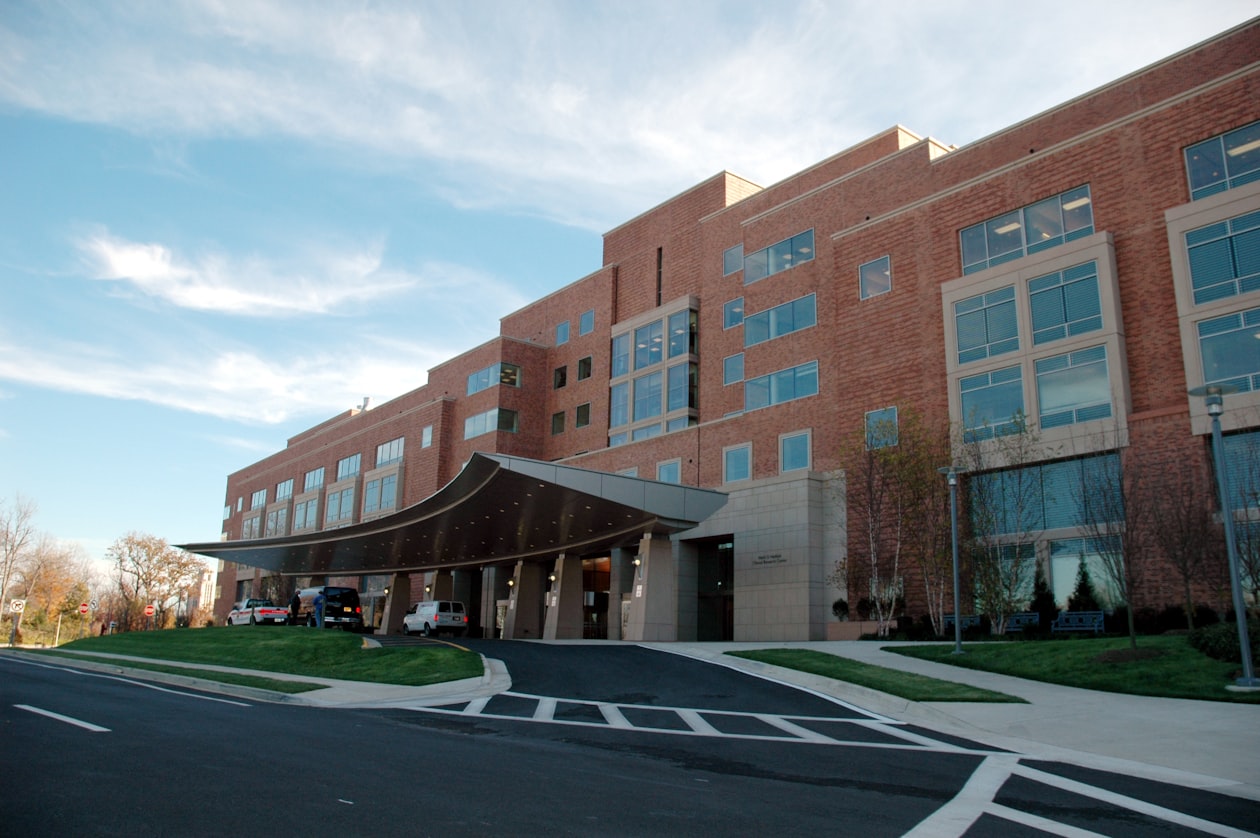
Why Hospital Elevators Are Different
Standard commercial or residential elevators are designed for passengers carrying personal items. Hospital elevators must accommodate a completely different set of demands:
- Full-size hospital beds and stretchers (often 2.0 m or longer)
- Wheelchairs, mobility aids, and patient transport chairs
- Medical equipment such as IV poles, ventilators, and defibrillators
- Multiple staff members accompanying a single patient
- Sterile environments — infection control is critical in cabin design
- Round-the-clock, high-frequency use across every shift
These demands translate into distinct technical requirements covering cabin dimensions, load capacity, door widths, speed, surface materials, and emergency protocols — all of which must align with UAE regulations.
Applicable UAE Standards and Regulations
Healthcare facilities in the UAE must comply with a layered set of standards. The primary frameworks include:
UAE Fire and Life Safety Code of Practice
This code mandates specific fire-rated elevator lobbies, firefighters' operation modes, and elevator shaft construction requirements for buildings above certain heights. Hospitals, as essential buildings, are subject to the highest tier of fire safety requirements. Elevators must be capable of returning to a designated floor automatically during a fire alarm — a function known as Phase I Emergency Recall.
Abu Dhabi Department of Municipalities and Transport (DMT)
The DMT sets technical specifications for elevator installation across Abu Dhabi. For healthcare facilities, additional guidance is issued by the Department of Health (DoH), which may specify minimum elevator counts, cabin sizes, and loading criteria as part of facility licensing requirements.
Dubai Civil Defence and Dubai Health Authority (DHA)
In Dubai, the Dubai Civil Defence enforces fire and evacuation elevator requirements, while the DHA stipulates healthcare-specific infrastructure standards. New hospital construction or major renovations require DHA sign-off on the vertical transportation plan.
European EN 81-76 Standard (Evacuation Lifts)
While not a UAE-specific regulation, many hospital projects in the UAE reference the European EN 81-76 standard for evacuation lifts — elevators that remain operational during emergencies to facilitate the evacuation of mobility-impaired patients. This is increasingly a requirement in newer hospital builds across Abu Dhabi and Dubai.
Cabin Dimension Requirements
One of the most critical differences between a hospital elevator and a standard lift is cabin size. The UAE's healthcare facility guidelines typically align with international best practice:
- Bed/Stretcher Elevators: A minimum internal cabin depth of 2,700 mm and a width of at least 1,400 mm, with a clear door opening of no less than 1,100 mm. This allows a standard 2,000 mm hospital bed to be loaded with head clearance and accompanying staff on either side.
- Visitor and Staff Elevators: Standard 1,100 mm × 1,400 mm cabins are generally acceptable for non-clinical passenger lifts within a hospital.
- Service and Goods Elevators: Must accommodate food trolleys, linen carts, equipment racks, and waste disposal units — typically requiring cabins of at least 1,600 mm × 2,400 mm with heavy-duty doors.
Facility planners should note that the number of bed elevators required scales with the number of patient beds in the facility. A 200-bed hospital will need significantly more dedicated stretcher lifts than a small outpatient clinic.
Load Capacity and Speed
Hospital elevators are designed to operate under much higher load conditions than commercial lifts:
- Bed Elevators: Minimum rated load of 2,000 kg — accommodating a hospital bed (around 150 kg), patient (up to 200 kg), and three to four accompanying staff and equipment.
- Service Elevators: Typically rated at 2,500–5,000 kg depending on the facility's operational needs.
- Speed: Hospital bed elevators generally operate at 1.0–1.6 m/s to balance travel time with smooth, comfortable starts and stops for patient safety.
High-rise hospitals and multi-tower medical complexes often require faster traction elevators in the 1.75–2.5 m/s range. If your facility is planning a new installation or assessing whether its current lifts meet capacity requirements, Morris Elevators' installation team can conduct a vertical transportation analysis tailored to your building's patient flow.
Door Configuration and Timing
Hospital elevator doors require specific configurations that standard lifts typically do not have:
- Door Width: A minimum clear opening of 1,100 mm for bed elevators, versus the standard 800–900 mm seen in commercial lifts.
- Door Open Time: Doors must remain open longer than standard to allow time for bed transfers — typically 15–20 seconds, versus 3–5 seconds in commercial lifts.
- Obstruction Detection: Light curtain sensors must span the full height of the door opening to detect stretcher poles, IV stands, and equipment racks at multiple heights.
- Quiet Operation: Soft-close mechanisms reduce noise in clinical environments, particularly near intensive care units and operating theatres.
Infection Control and Cabin Finishes
A feature unique to hospital elevators is the requirement for hygienic, easy-to-clean surfaces. Healthcare facilities in the UAE follow strict infection prevention and control (IPC) standards set by HAAD (now Abu Dhabi DoH) and the Ministry of Health and Prevention (MOHAP). For elevator cabins, this means:
- Stainless steel wall panels rather than painted or laminated surfaces — antimicrobial grades are preferred
- Seamless or easy-wipe floor finishes that resist disinfectants without deteriorating
- Recessed or flush-mounted handrails to prevent bacterial accumulation in crevices
- Touchless or antimicrobial-coated control buttons (increasingly standard in post-pandemic UAE hospital builds)
- Adequate ventilation or UV air purification systems within the cabin
Emergency and Firefighter Operation
All hospital elevators in the UAE must support emergency modes as mandated by the UAE Fire and Life Safety Code:
- Phase I – Emergency Recall: On fire alarm activation, all elevators return to the designated floor (usually ground or lobby level) and park with doors open, taken out of normal service.
- Phase II – Firefighter Operation: Dedicated firefighter keys allow emergency personnel to manually control the lift from inside the cabin for rescue and evacuation operations.
- Evacuation Lifts: Large hospitals and those with high floors increasingly install dedicated evacuation lifts that remain operational throughout a fire event, specifically for mobility-impaired patient evacuation per EN 81-76.
- Backup Power: Hospital elevators must be connected to the facility's emergency generator supply to remain operational during power outages. At minimum, one bed elevator per tower block must be on emergency power.
Ensuring your hospital's elevator emergency systems are fully functional is not a box-ticking exercise — it is a patient safety imperative. Morris Elevators provides 24/7 maintenance and emergency response services across Abu Dhabi and Dubai, ensuring healthcare facilities are never without a functioning lift when they need it most.
Annual Maintenance Contracts (AMCs) for Hospital Elevators
Given the critical nature of hospital elevator operations, ad hoc maintenance is not an appropriate strategy. UAE regulations and best practice both strongly recommend — and in many cases require — a formal Annual Maintenance Contract (AMC) for all hospital lifts.
A well-structured AMC for a healthcare facility should include:
- Monthly preventive maintenance visits including lubrication, safety checks, and door alignment
- Quarterly load and speed testing
- Annual full safety inspection as required by the relevant municipality
- Priority 24/7 call-out response — with a contractual response time of 1–2 hours maximum for a hospital environment
- Regular testing of emergency recall, firefighter mode, and backup power integration
- Documentation and compliance records for DoH, DMT, or DHA audits
An AMC gives hospital facility managers peace of mind and a clear compliance paper trail. Learn more about Morris Elevators' AMC offerings for commercial and healthcare facilities in the UAE.
Planning Elevators for a New Hospital in the UAE
If you are involved in the design or construction of a new healthcare facility in Abu Dhabi or Dubai, elevator planning should begin at the schematic design phase — not as an afterthought. Key planning principles include:
Segregation of Traffic Streams
Best practice requires separate elevator banks for patients, visitors, and service/goods. Mixing patient transport with visitor or goods traffic creates infection risks and delays emergency response. Regulatory guidance from DoH and DHA increasingly formalises this separation.
Redundancy
No single-point-of-failure is acceptable in a hospital. A minimum of two bed elevators per patient care wing is standard, ensuring continuity of service when one lift is under maintenance or experiencing a fault.
Future-Proofing
Healthcare facilities expand over time. Elevator shafts should be designed with headroom and load-bearing capacity for potential future upgrades — whether increasing speed, adding a heavier cabin, or installing a destination control system as the facility grows.
Our team at Morris Elevators works with architects, MEP consultants, and hospital project managers across the UAE from pre-construction planning through to commissioning. Contact us to discuss your healthcare facility's vertical transportation requirements.
Modernizing Existing Hospital Elevators
Many hospitals in Abu Dhabi and Dubai are operating elevators that are 15–20 years old. Older lifts in clinical environments pose compounding risks: increased breakdown frequency, outdated emergency systems that may no longer meet current UAE codes, and cabins that are difficult to disinfect with modern IPC-grade cleaning agents.
Modernization — rather than full replacement — is often the most cost-effective and least disruptive solution. A skilled modernization project can upgrade the control system, door operators, cabin finishes, and emergency systems while retaining the existing shaft and structure. This minimises downtime in an environment where elevator outages directly affect patient care.
Explore Morris Elevators' lift modernisation services to understand what an upgrade programme could look like for your hospital or clinic.
Key Takeaways for Healthcare Facility Managers
- Hospital elevators must meet significantly higher standards than commercial lifts in terms of cabin size, load capacity, door width, and emergency function
- UAE compliance involves multiple authorities — DMT, DoH, DHA, and Civil Defence — depending on your emirate
- Infection control surfaces and touchless controls are increasingly mandatory in new healthcare builds
- An AMC with 24/7 emergency response is essential — not optional — for clinical environments
- Elevator planning should begin at the architectural design phase, with traffic segregation and redundancy built in from the start
- Modernization of aging hospital lifts can restore compliance and safety without the cost and disruption of full replacement
Work With the UAE's Healthcare Elevator Specialists
Morris Elevators has extensive experience installing, maintaining, and modernizing elevators in hospitals, clinics, day-surgery centres, and medical office buildings across Abu Dhabi and Dubai. Our team understands the unique operational pressures of healthcare environments — the zero-tolerance for downtime, the infection control requirements, and the compliance frameworks that govern every aspect of facility management.
Whether you are planning a new hospital build, managing a portfolio of healthcare properties, or looking to bring aging lifts up to current UAE standards, we are here to help. Explore our full range of elevator services or contact our team directly at +971 2 555 2727 or [email protected] to discuss your facility's requirements.