
Energy-Efficient Elevators in UAE Buildings: Cut Costs and Meet Sustainability Goals
Energy-Efficient Elevators in UAE Buildings: Cut Costs and Meet Sustainability Goals
In the UAE, elevators run around the clock. High-rise towers, busy commercial centres, and residential compounds all depend on lifts operating reliably day and night — often in extreme heat conditions that push mechanical systems harder than almost anywhere else on earth. What many building owners and property managers overlook is just how significant a share of a building's total electricity bill elevators can represent. In a country where sustainability targets are increasingly tied to regulatory compliance and commercial reputation, making your lifts more energy-efficient is no longer optional — it is smart asset management.
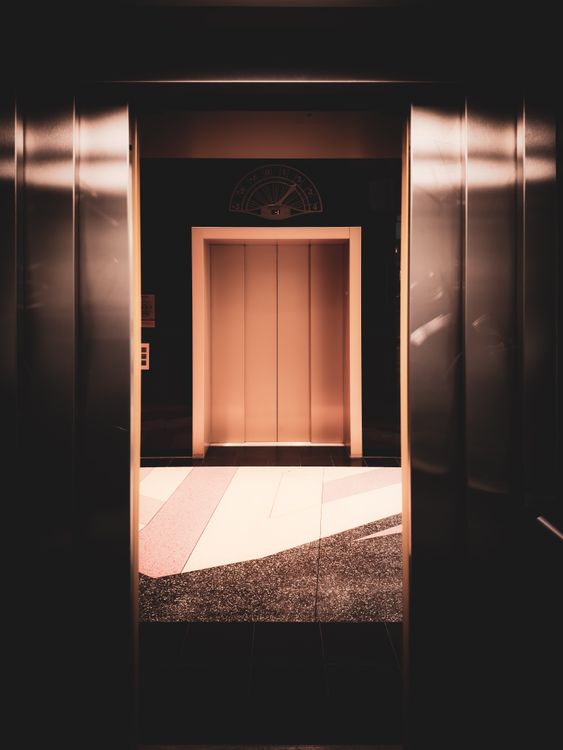
How Much Energy Does a Typical Elevator Consume?
A standard commercial elevator in the UAE can consume between 3,000 and 10,000 kWh of electricity per year, depending on traffic volume, shaft height, drive technology, and age. In a mid-rise building with six to eight elevators, that figure multiplies quickly — sometimes accounting for 5–10% of total building energy use.
Older traction and hydraulic systems are the biggest culprits. They draw large amounts of power during acceleration, generate heat as a byproduct, and offer no mechanism for recovering that energy. Modern systems have changed this picture dramatically, giving building owners real tools to reduce consumption without compromising performance.
Key Technologies That Make Elevators More Energy-Efficient
1. Regenerative Drives (VVVF with Regeneration)
Variable voltage, variable frequency (VVVF) drives with regenerative capability are the single biggest energy-saving advancement in modern lift technology. When a fully loaded elevator descends — or an empty cabin rises — the motor effectively acts as a generator. Rather than dissipating that energy as heat through braking resistors, a regenerative drive feeds it back into the building's electrical grid. Buildings with high-traffic lifts can recover 20–35% of elevator energy this way.
2. LED Cabin Lighting and Low-Power Displays
Elevator cabins run their lighting continuously. Traditional fluorescent or halogen fixtures can consume 100–200 watts per cabin. Replacing them with LED panels reduces that figure to 20–40 watts — an 80% reduction — with better light quality and a longer service life. Combined with low-power LCD displays replacing older indicator panels, these upgrades are low-cost and pay back quickly through reduced electricity bills.
3. Standby and Sleep Modes
Modern elevator controllers include intelligent standby modes that dim cabin lighting, put ventilation fans on low speed, and reduce controller power draw during periods of inactivity. In residential buildings where elevators see little overnight traffic, standby modes can reduce idle-state consumption by up to 70%. These features are standard on new equipment and can be retrofitted to many existing systems through controller upgrades.
4. Destination Dispatch Systems
In buildings with multiple lifts, destination dispatch (also called destination control) systems group passengers travelling to similar floors into the same cabin. Compared to conventional up/down call buttons, this approach reduces the number of stops per journey, cuts travel time, and — critically — lowers total motor running hours. Buildings that have switched to destination dispatch report energy savings of 25–30% alongside significantly shorter waiting times for tenants.
5. Machine Room-Less (MRL) Technology
MRL elevators eliminate the separate machine room required by traditional geared traction systems. This not only saves construction space but also reduces heat generation, which in the UAE's climate means less air-conditioning load on the building. MRL systems paired with regenerative VVVF drives represent the current gold standard in energy-efficient commercial lift design.
The UAE Sustainability Context: Why This Matters Now
The UAE's Net Zero by 2050 strategic initiative and Abu Dhabi's commitment to reducing carbon emissions across the built environment are reshaping how regulators, developers, and tenants evaluate buildings. Green building certifications such as Estidama (Pearl Rating System in Abu Dhabi) and LEED increasingly require demonstrable energy performance from mechanical systems — including elevators.
For property managers seeking to attract premium commercial tenants or institutional investors, a certified green building commands higher rents and occupancy rates. Energy-efficient elevators are one of the more straightforward contributors to these certifications, especially when supported by documented maintenance records and performance data.
Beyond compliance, DEWA and ADDC electricity tariffs in the UAE are structured so that large commercial consumers pay progressively higher rates as consumption rises. Reducing elevator energy use directly lowers the monthly bill, with no reduction in service to tenants or residents.
Signs Your Current Elevator System Is Wasting Energy
Not every building needs a full replacement to realise energy savings. Look out for these warning signs that your existing system is underperforming from an efficiency standpoint:
- Frequent overheating of the machine room — a symptom of inefficient motor operation or failed cooling systems that increases energy draw
- Fluorescent or incandescent cabin lighting — immediately upgradeable to LED at minimal cost
- No standby or sleep mode on the controller — standard on systems installed after approximately 2010
- Older relay-based or thyristor drive systems — these pre-date modern VVVF technology and cannot recover braking energy
- Hydraulic systems more than 15 years old — hydraulic oil systems lose efficiency as seals degrade and pumps wear, consuming more power for the same performance
- Rising electricity bills without increased occupancy — a classic indicator that mechanical systems are losing efficiency
If two or more of these apply to your building, an energy audit of your lift systems is likely to uncover significant savings potential. Our team at Morris Elevators' maintenance division can assess your current systems and quantify the savings available.
Modernization: The Fastest Route to Energy Savings
For many buildings in Abu Dhabi and Dubai, full elevator replacement is not yet necessary — but elevator modernization is. Modernization typically involves replacing the control system, drive, and motor while retaining the existing shaft, structure, and guide rails. This approach can deliver 80–90% of the energy savings of a new installation at 40–60% of the cost, with minimal disruption to building operations.
A typical modernization project targeting energy efficiency might include:
- Replacement of the existing drive with a regenerative VVVF unit
- New microprocessor-based controller with standby mode capability
- LED cabin and pit lighting retrofit
- Upgraded door operator for faster, smoother door cycling (reducing motor runtime)
- Remote monitoring integration for real-time energy and performance data
The payback period on a well-executed modernization project in a high-traffic UAE commercial building is typically three to six years — after which the energy savings represent pure cost reduction for the life of the system.
Choosing an Energy-Efficient Elevator for New Installations
If you are planning a new build or a full lift replacement, energy efficiency should be a primary specification criterion alongside capacity, speed, and aesthetics. When evaluating proposals, ask contractors specifically about:
- Annual energy consumption figures (kWh/year) based on anticipated traffic profiles
- Whether the drive system includes regenerative energy recovery
- Standby power consumption in watts
- Compatibility with building energy management systems (BMS/BAS) for centralised monitoring
- EN 8-1 energy classification rating (the European standard widely used across the UAE market, rating lifts from A to G)
An A or B rated lift under EN 8-1 will consume significantly less energy over its 20–25 year lifespan than a lower-rated equivalent. Our elevator installation team can advise on the most energy-efficient solutions suited to your building type and traffic requirements.
Annual Maintenance Contracts: Keeping Efficiency High Over Time
Even the most advanced energy-efficient elevator degrades in performance without consistent, professional maintenance. Worn brake pads increase motor load. Contaminated hydraulic oil reduces pump efficiency. Misaligned door mechanisms increase cycle times and motor running hours. Each of these issues quietly increases energy consumption while also accelerating wear on components.
A structured Annual Maintenance Contract (AMC) with a qualified elevator company ensures that systems are regularly inspected, lubricated, calibrated, and adjusted to maintain peak efficiency. This is especially important in the UAE, where humidity, dust, and temperature extremes take a harder toll on mechanical systems than in temperate climates.
At Morris Elevators, our AMC programmes include performance tracking that can help building managers demonstrate energy performance data to Estidama or LEED auditors — an increasingly valuable capability as green building verification becomes more rigorous.
The Bottom Line: Energy Efficiency Pays
Reducing elevator energy consumption in UAE buildings is not a theoretical exercise. The technologies exist, the financial case is clear, and the regulatory environment is moving in one direction. Whether you manage a single commercial tower or a portfolio of residential compounds, optimising your lift systems for energy efficiency delivers measurable cost reductions, improved tenant satisfaction, and stronger ESG credentials.
The UAE's most forward-thinking building owners are already acting. The question is whether your elevators are part of the solution — or still part of the problem.
Talk to Morris Elevators Today
Morris Elevators is Abu Dhabi's trusted partner for elevator installation, maintenance, and modernization across the UAE. Our engineers can conduct an energy assessment of your existing lift systems, identify the highest-impact improvements, and provide a detailed cost-benefit analysis — with no obligation.
Contact us at +971 2 555 2727 or email [email protected] to schedule a consultation. Let's make your building's elevators work smarter and cost less to run.