
Automatic Rescue Devices: Why UAE Elevators Need Them During Power Outages
Automatic Rescue Devices: Why UAE Elevators Need Them During Power Outages
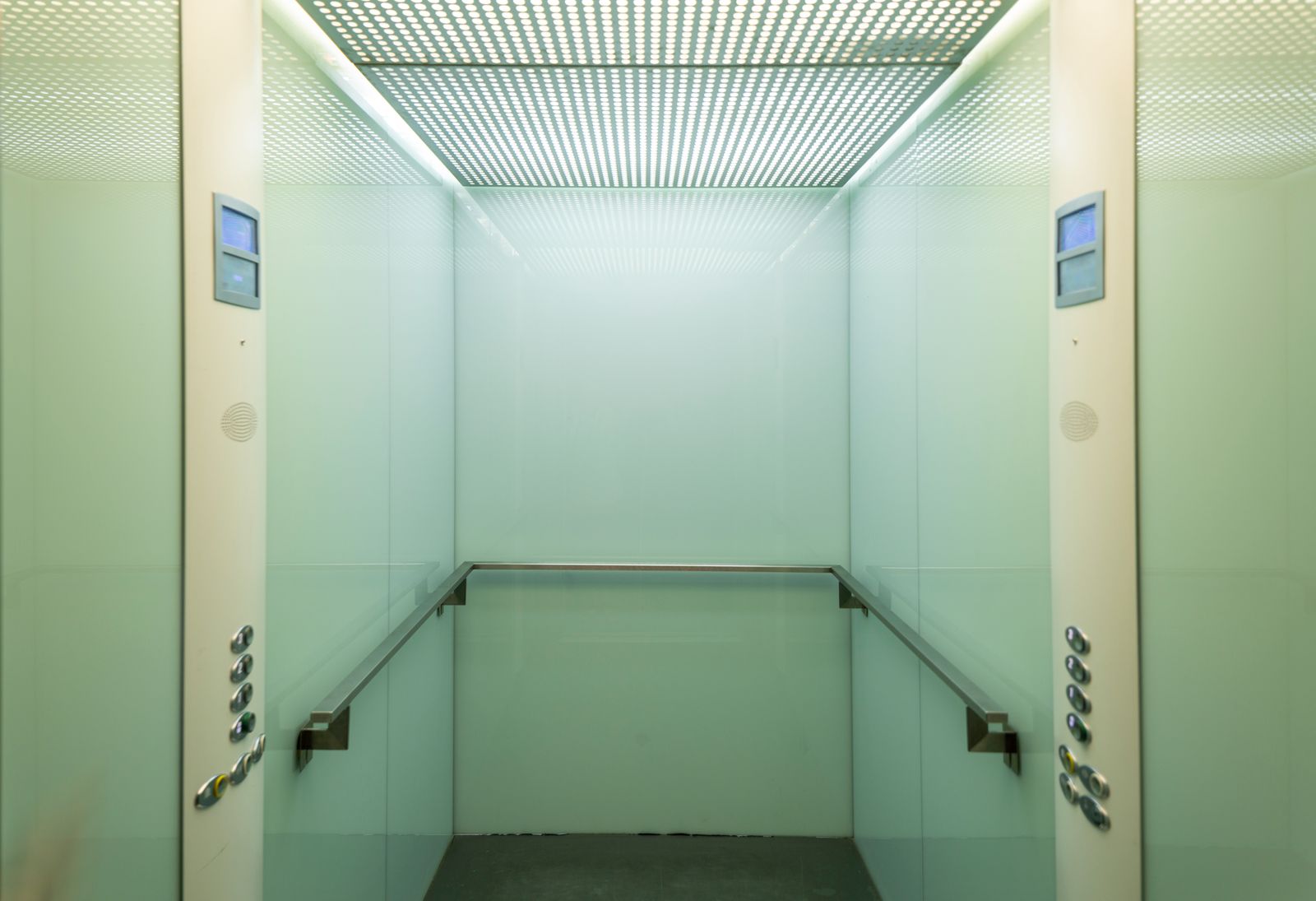
A power interruption is one of the most common events that can leave a lift stopped between floors, and it is also one of the most preventable in terms of passenger impact. An Automatic Rescue Device (ARD) is the system that turns a stalled elevator into a controlled, self-resolving event rather than an emergency call and a wait for a technician. For property managers and building owners in the UAE, understanding what an ARD actually does — and confirming one is fitted and tested on every lift in the building — is a small piece of due diligence with an outsized safety payoff.
This guide explains how ARDs work, why they matter in the UAE context specifically, and what building managers should check when specifying, retrofitting, or maintaining one.
What an Automatic Rescue Device Actually Does
An ARD is a battery-backed control unit that detects the loss of mains power to the elevator and takes over automatically. Rather than leaving the car stranded wherever it happened to be when power dropped, the device uses stored battery energy to move the car — at reduced speed — to the nearest landing, open the doors, and allow passengers to exit safely. Once mains power is restored, the elevator returns to normal service and the battery begins recharging.
The sequence typically unfolds in seconds to a couple of minutes, depending on how far the car is from the nearest floor when power is lost. The passenger experience is usually a brief pause, a smooth move to a floor, and open doors — not a prolonged wait inside a dark, motionless cabin.
ARD vs. Backup Generator vs. UPS
These three systems are often confused, but they solve different problems:
- ARD — a dedicated, elevator-specific device whose only job is to safely release trapped passengers after a power loss. It does not keep the lift running normally; it performs one rescue movement per outage.
- Backup generator — a building-wide power source that can keep some or all elevators in normal operation during an extended outage, provided the elevator load is connected to the emergency circuit.
- UPS (uninterruptible power supply) — typically sized to keep control systems, lighting, and communication equipment powered, not to drive the elevator's main motor.
A building can have a generator and still need an ARD, because a generator takeover is rarely instantaneous — there is a changeover delay, and not every building runs its elevators on the emergency circuit at all. The ARD covers the gap between the moment mains power drops and the moment normal power (whether utility or generator) is reliably restored.
Why This Matters in the UAE
The UAE's grid is generally reliable, but no electrical network is immune to localized interruptions — a substation fault, planned maintenance switching, or a fault within a building's own distribution board can all cut power to a lift with no warning. A few factors make ARD coverage particularly relevant here:
- Summer cooling load. Peak demand during the hottest months puts more strain on building electrical systems, and a tripped breaker or protection device can interrupt lift power without warning.
- High-rise density. In a tall building, the difference between a car stalling near a floor and stalling mid-shaft is much larger, which makes a fast, automatic response more valuable than in a low-rise.
- Vulnerable occupants. Hospitals, clinics, hotels, and residential towers all have occupants — elderly guests, patients, young children — for whom being trapped in a stopped car, even briefly, is more distressing and higher-risk than for a typical passenger.
- Older installations. A meaningful share of the UAE's existing lift stock predates wider ARD adoption. Buildings with older control systems should not assume the capability is present simply because the lift otherwise runs normally.
Do You Already Have One? What to Check
Building managers are sometimes surprised to learn their lifts are not fitted with an ARD, particularly in older buildings that have not gone through modernization. A few practical ways to confirm the status of your installation:
- Check the original installation or commissioning documentation. The presence of an ARD, and its make and capacity, should be recorded there.
- Ask your Annual Maintenance Contract (AMC) provider directly. A competent maintenance team should be able to confirm whether an ARD is fitted and when it was last function-tested.
- Request a live test. An ARD test — simulating a power loss under controlled conditions with the car empty — should be part of a properly scoped maintenance visit, not something left untested until an actual outage occurs.
- Review the battery's condition. Like any battery-backed system, an ARD's battery degrades over time. A device that was installed correctly years ago can still fail silently if the battery has never been checked or replaced.
Retrofitting an ARD to an Existing Elevator
For buildings where an ARD is not fitted, or where an existing device is outdated and difficult to source parts for, retrofitting is generally addressed as part of a broader lift modernization scope rather than as a standalone add-on. This is because the ARD interacts closely with the elevator's control system, and a modernization project is the natural point to review the control panel, drive, and safety devices together rather than bolting on a single component in isolation.
Building owners planning a modernization project should raise ARD provision explicitly with their contractor at the scoping stage, rather than assuming it is included by default. Morris Elevators' lift modernization services assess control systems, safety devices, and rescue provisions together, so gaps like a missing or outdated ARD are identified and addressed as part of the same upgrade rather than surfacing later as a separate, disruptive retrofit.
Keeping an ARD Reliable: The Maintenance Angle
An ARD that has never been tested is a device you are trusting blind. Because it only activates during an actual power failure, a fault in the unit — a depleted battery, a failed relay, a firmware issue — can go completely unnoticed for months or years if it is not deliberately tested as part of routine maintenance.
A well-scoped AMC should include:
- Periodic functional testing of the ARD under controlled, empty-car conditions.
- Battery condition checks, with replacement on a schedule appropriate to battery type and age rather than only after a failed test.
- Verification that the ARD correctly identifies the nearest floor and completes a full rescue cycle, not just that it powers on.
- Documented test records, so the building has evidence the system was checked — useful both for internal facilities records and for any inspection or audit process.
Morris Elevators' elevator maintenance and AMC services across Abu Dhabi and Dubai include safety-device testing as a standard part of scheduled visits, so rescue systems like the ARD are verified as part of routine care rather than left unchecked between incidents.
Specifying an ARD in a New Installation
For new buildings, the more straightforward path is to specify ARD coverage as a standard requirement at the design stage rather than treating it as an optional extra. This avoids the retrofit conversation entirely and ensures the device is matched correctly to the elevator's speed, travel distance, and duty from day one. Discussing rescue and emergency provisions early with your elevator installation partner keeps this decision part of the original specification rather than an afterthought raised after handover.
A Small System With an Outsized Role
An Automatic Rescue Device rarely gets much attention because, when it works, nothing dramatic happens — passengers simply reach a floor and the doors open. That quiet reliability is exactly the point. For building owners and facility managers across the UAE, confirming that every lift under their care has a working, tested ARD is one of the simplest safety checks available, and one that is easy to overlook until the moment it is needed.
Morris Elevators supports building owners and facility managers across Abu Dhabi and Dubai with installation, modernization, and AMC-based maintenance that keeps safety systems like ARDs properly specified and reliably tested. Explore our full range of elevator services, or contact our team at +971 2 555 2727 or [email protected], or visit us at Mazyad Mall, MBZ City, Abu Dhabi, to review the rescue provisions on your building's elevators.