Elevator Maintenance Tips for Better Safety and Longer Lifespan
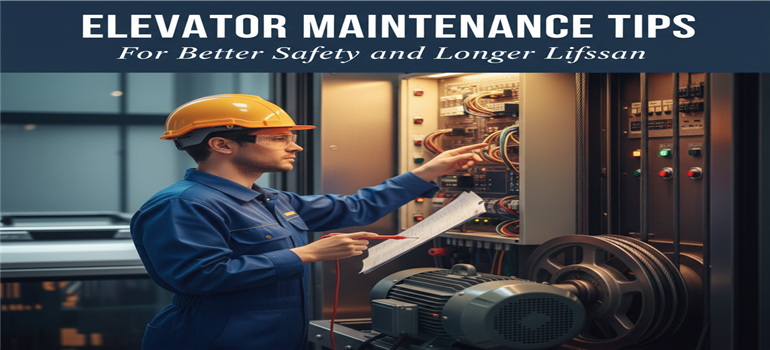
Elevator Maintenance Tips for Better Safety and Longer Lifespan
A Practical Guide to Routine Inspection, Safety Testing, Lubrication, and More
Elevators are a critical part of modern buildings, ensuring smooth vertical transportation for residents, employees, and visitors. However, without proper maintenance, elevators can become unsafe, unreliable, and costly to repair. Regular elevator maintenance not only enhances safety but also significantly extends the lifespan of the equipment.
In this guide, we’ll explore essential elevator maintenance tips, covering routine inspections, safety testing, lubrication, cleaning, and best practices to keep your elevator operating efficiently for years to come.
Why Elevator Maintenance Is So Important
Proper elevator maintenance offers multiple benefits:
-
Improved passenger safety
-
Reduced breakdowns and downtime
-
Lower long-term repair costs
-
Compliance with safety standards and regulations
-
Extended elevator lifespan
Neglecting maintenance can lead to sudden failures, safety risks, and expensive modernization or replacement.
1. Routine Elevator Inspections
Routine inspections form the foundation of any effective elevator maintenance program.
What Should Be Inspected Regularly?
-
Control panels and electrical components
-
Door operation (opening, closing, sensors)
-
Cables, belts, and suspension systems
-
Emergency alarms and communication systems
-
Ride smoothness and unusual noises
Recommended Frequency
-
Monthly inspections for high-traffic buildings
-
Quarterly inspections for low-usage elevators
Early detection of wear and minor faults helps prevent major breakdowns.
2. Regular Safety Testing
Safety testing ensures that all protective systems are functioning correctly.
Key Safety Tests Include:
-
Emergency brake system testing
-
Overspeed governor checks
-
Door safety edge and sensor testing
-
Backup power and emergency lighting checks
-
Alarm and intercom functionality
These tests should always be carried out by certified elevator technicians to ensure compliance with local safety codes.
3. Proper Lubrication of Moving Parts
Elevators contain several moving components that require correct lubrication to function smoothly.
Parts That Need Lubrication:
-
Guide rails
-
Bearings and rollers
-
Door mechanisms
-
Hoist machine components
Why Lubrication Matters:
-
Reduces friction and wear
-
Prevents overheating
-
Ensures smooth and quiet operation
-
Extends component life
Using the wrong type or excess lubricant can cause dust buildup, so professional application is essential.
4. Cleaning and Housekeeping
Clean elevator components operate more efficiently and last longer.
Areas to Keep Clean:
-
Elevator car interior
-
Door tracks and sills
-
Machine room
-
Control panels and ventilation areas
Dust, grease, and debris can interfere with sensors and mechanical parts, leading to malfunctions.
5. Door System Maintenance
Elevator doors are among the most frequently used and failure-prone components.
Maintenance Tips:
-
Inspect door rollers and tracks regularly
-
Test door sensors and safety edges
-
Ensure smooth and quiet operation
-
Adjust alignment if doors jerk or stick
Most elevator shutdowns are caused by door-related issues, making this a critical maintenance area.
6. Monitor Ride Quality and Performance
Changes in ride performance can indicate underlying problems.
Warning Signs to Watch For:
-
Jerky or uneven movement
-
Unusual vibrations
-
Delayed floor leveling
-
Strange noises during operation
Reporting these signs early can prevent further damage and improve passenger comfort.
7. Maintain Accurate Maintenance Records
Keeping detailed maintenance records helps track performance and plan future service.
Records Should Include:
-
Inspection dates
-
Repairs performed
-
Parts replaced
-
Safety test results
This documentation is also useful for audits, compliance checks, and modernization planning.
8. Work With a Professional Elevator Maintenance Company
Partnering with a reliable elevator service company ensures expert care and compliance with safety regulations.
Benefits of Professional Maintenance:
-
Certified technicians
-
Preventive maintenance programs
-
Faster issue resolution
-
Expert advice on upgrades and modernization
A well-structured maintenance contract is an investment in safety and reliability.
Final Thoughts
Regular elevator maintenance is not just a legal requirement—it’s a smart strategy for safety, performance, and long-term cost savings. By following routine inspections, safety testing, proper lubrication, and professional servicing, you can ensure your elevator operates smoothly and safely for many years.